Termite Treatments: How Long Does Protection Actually Last?
Termite protection is one of those property maintenance tasks that is easy to forget once treatment has been completed. The real question for many owners is not only whether treatment works, but how long it continues to protect the property. The answer depends on the type of treatment used, the condition of the building, the surrounding environment and how well inspections are maintained over time.
For property owners researching
pest control in Lismore, it is important to understand that termite treatment is not a one-time guarantee against future activity. Different systems offer different protection periods, and ongoing monitoring plays a major role in keeping the property protected. Understanding how long
termite treatment lasts can help you plan inspections, maintenance and future treatment before small issues become serious problems.
Treatment Lifespan Depends on the Method Used
Not all termite treatments work the same way, so their effective lifespan can vary. Some treatments are designed to create a treated zone around the property, while others rely on monitoring and baiting to manage termite activity over time.
Common treatment types include:
- Liquid soil treatments around foundations and entry points
- Termite baiting and monitoring systems
- Physical barriers installed during construction
- Targeted treatments for active termite areas
Each method has its own maintenance requirements and expected protection period. A professional assessment helps determine which option suits the property, especially where building design, soil conditions or previous termite activity may influence the recommendation.
Liquid Termite Treatments Can Provide Long-Term Protection
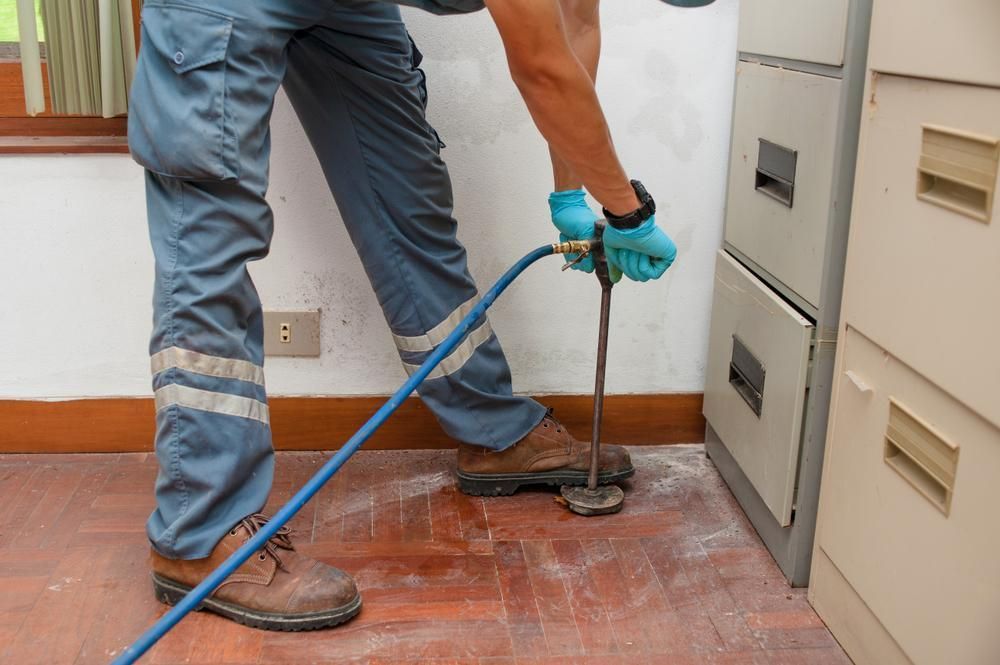
Liquid termite treatments are commonly used to create a treated zone in the soil around a property. When applied correctly, these treatments can provide protection for several years, depending on the product, application method and environmental conditions.
Their performance can be affected by:
- Soil movement or disturbance
- Drainage changes around the property
- Landscaping work near treated areas
- Product type and application coverage
Property owners often ask how long does termite treatment last when considering liquid systems. While some products are designed to remain effective for years, the protection still needs to be checked through regular inspections. Disturbed soil, renovations or water flow changes can reduce effectiveness before the expected lifespan is reached.
Baiting Systems Rely on Ongoing Monitoring
Termite baiting systems work differently from chemical soil treatments. Rather than creating a broad treated zone, they use monitoring stations to detect termite activity and apply bait when termites are present.
Baiting systems generally require:
- Scheduled inspections of monitoring stations
- Bait replacement when activity is detected
- Ongoing assessment of termite pressure
- Professional management over time
The strength of baiting systems lies in ongoing surveillance. They can be especially useful where soil treatments are not suitable or where a property needs active monitoring. However, their effectiveness depends on consistent servicing and correct management.
Physical Barriers Need Inspection and Maintenance
Physical termite barriers are often installed during construction or major renovation work. These systems are designed to prevent concealed termite entry, making activity easier to detect before serious damage develops.
Physical barriers may include:
- Stainless steel mesh systems
- Graded stone barriers
- Termite-resistant construction detailing
- Protected slab or penetration areas
While these barriers can last for a long time, they are not a reason to skip inspections. Their purpose is often to make termite entry more visible rather than eliminate all risk. Professional checks are still needed to confirm the system remains intact and that termites have not found another access point.
Environmental Conditions Can Shorten Protection
Termite protection does not exist in isolation. Conditions around the property can influence how well treatment performs and how long protection lasts. Moisture, timber contact and poor ventilation can all increase termite risk.
Factors that may reduce protection include:
- Leaking pipes or taps
- Poor drainage near the building
- Timber stored against walls or fences
- Garden beds built up against external walls
For those arranging pest control in Lismore, local environmental conditions should always be considered when planning termite management. Damp areas, dense vegetation and soil contact can all create favourable conditions for termite activity.
Regular Inspections Extend the Value of Treatment
Even after treatment has been completed, inspections remain one of the most important parts of termite protection. A treatment may reduce risk, but inspections help confirm whether it is still performing as expected.
Regular termite inspections can help identify:
- New signs of activity
- Treatment zones that have been disturbed
- Moisture problems around the property
- Areas where termites may gain access
Inspections give property owners a chance to act early. They also help professionals decide whether retreatment, monitoring or maintenance is needed before damage becomes more extensive.
Renovations and Landscaping Can Affect Termite Protection
Changes around a property can accidentally interfere with existing termite treatment. This is particularly common during renovations, landscaping projects or drainage upgrades.
Protection may be affected by:
- Digging near treated soil zones
- Adding new garden beds or paving
- Installing plumbing or drainage lines
- Altering external ground levels
Before making major changes, it is worth checking whether the work could affect termite protection. A pest control professional can advise whether additional treatment or inspection is needed after the project is complete.
Warning Signs Should Never Be Ignored
Treatment reduces risk, but it does not mean termites can never return. Property owners should remain alert to signs of activity, especially in areas that are damp, dark or rarely inspected.
Warning signs may include:
- Mud tubes along walls or foundations
- Hollow sounding timber
- Damaged skirting boards or door frames
- Discarded wings near windows or doors
If any of these signs appear, prompt action is important. Waiting too long can allow termites to spread further through the property, making the issue more difficult and costly to address.
Choosing the Right Treatment Requires Professional Advice
There is no single termite treatment that suits every property. The right option depends on the building, the level of termite risk, previous activity and access around the structure.
Professional advice can help with:
- Identifying active termites and risk areas
- Selecting a suitable treatment method
- Explaining maintenance requirements
- Creating a long-term protection plan
When property owners ask how long does termite treatment last, the most accurate answer comes from assessing the specific property and treatment type. A tailored approach is more reliable than relying on general timeframes alone.
Long-Term Protection Depends on a Maintenance Plan
Termite management works best when treatment, inspections and property maintenance are treated as part of one ongoing plan. This reduces the chance of protection being forgotten after the initial work is complete.
A strong maintenance plan may include:
- Annual or scheduled termite inspections
- Moisture control around the property
- Careful storage of timber and garden materials
- Follow up treatment when recommended
This approach helps maintain protection and gives property owners clearer expectations about when further action may be needed.
Protect Your Property With Ongoing Termite Support
If you are wondering how long does termite treatment last, the answer depends on the treatment used and how well the property is monitored after it is applied. At Troy’s Pest Control, we help property owners in Lismore understand their termite risks and choose practical treatment and inspection plans. Whether you need advice after previous treatment or want to organise pest control in Lismore before termites become a bigger issue, contact our team today to book an inspection.