Common Household Pests And How Professionals Control Them In Lismore Homes
Few things unsettle a homeowner more than discovering signs of pests inside the house. Whether it is ants appearing across kitchen benches, cockroaches hiding in dark corners or rodents making noise in the roof at night, pest activity can quickly become a source of stress. While some issues seem minor at first, many household pests can multiply rapidly, contaminate living spaces or cause damage if left unmanaged.
Professional pest management is about far more than treating visible insects or setting a few traps. Licensed technicians assess the property, identify the source of activity and implement targeted treatments designed to address the underlying problem. They also help homeowners reduce the conditions that allow pests to thrive in the first place.
Understanding the most common household pests can help homeowners recognise early warning signs and know when expert assistance is needed. Below are some of the pests most frequently found in residential properties and how professionals manage them through inspection, treatment and prevention strategies.
Ants: Small Invaders That Often Signal Larger Problems
Ants are among the most common household pests encountered in residential properties. While a few ants searching for food may seem harmless, visible trails often indicate an established colony nearby.
Professional pest control services begin by identifying the ant species involved, as different species require different treatment approaches. Rather than simply treating the ants that are visible, technicians focus on locating and targeting nesting areas.
Common professional strategies include:
- Detailed inspections to identify entry points and nesting locations
- Application of specialised ant baits that workers carry back to the colony
- Treatment of external activity zones around the property
- Recommendations to reduce food and moisture sources
This comprehensive approach helps address the colony itself rather than providing only temporary relief.
Cockroaches: Persistent Pests That Thrive Indoors
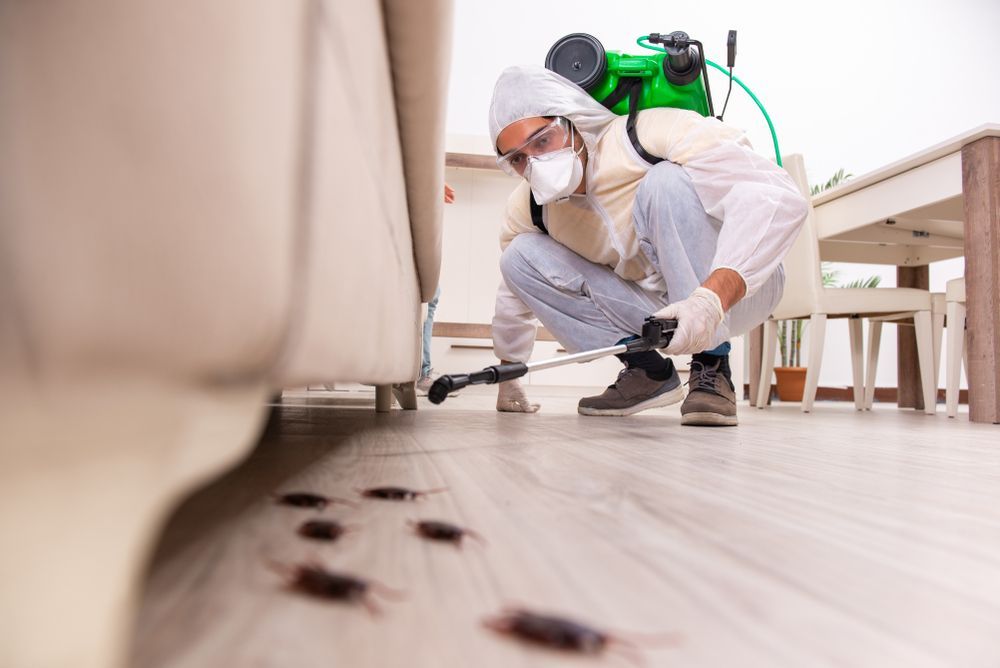
Cockroaches are highly adaptable insects that can survive in a wide range of indoor environments. They are often attracted to food residues, moisture and sheltered spaces, making kitchens, laundries and bathrooms common activity areas.
Because cockroaches are primarily nocturnal, homeowners may not realise the extent of an infestation until populations have increased significantly.
Professional treatment typically involves:
- Thorough inspections of harbourage areas
- Gel bait applications in targeted locations
- Residual treatments in high-risk zones
- Advice on sanitation and moisture management
A licensed technician can determine the species present and tailor treatments accordingly, helping to achieve more effective long-term control.
Rodents: More Than Just a Nuisance
Rats and mice can create significant issues within a home. Beyond contaminating food and surfaces, rodents may damage insulation, wiring and structural materials while searching for nesting sites.
Successful rodent management requires more than simply placing bait stations. Pest professionals conduct a detailed assessment to understand how rodents are entering and moving throughout the property.
Professional rodent control often includes:
- Identification of entry points and nesting areas
- Strategic placement of bait stations and traps
- Monitoring programs to assess activity levels
- Recommendations for proofing vulnerable access points
Addressing both the rodents and the conditions that support them is essential for reducing the likelihood of future infestations.
Termites: Hidden Threats to Property Structures
Unlike many pests that make their presence obvious, termites often remain hidden while causing damage behind walls, beneath floors or within timber structures.
Because termite activity can be difficult for homeowners to detect, regular inspections play an important role in early identification. Licensed technicians are trained to recognise subtle signs that may otherwise go unnoticed.
Professional termite services may include:
- Comprehensive timber pest inspections
- Detection of termite activity and risk areas
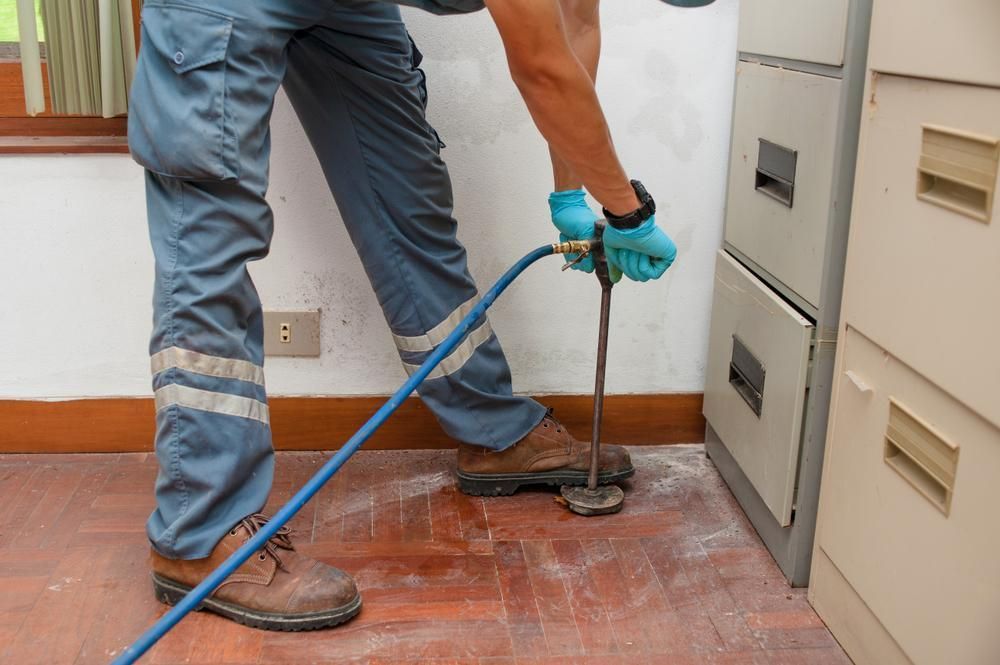
- Installation of termite management systems
- Ongoing monitoring and maintenance programs
The goal is not only to identify existing activity but also to establish protective measures that help reduce future risks.
Spiders: Managing Common Indoor and Outdoor Species
Many spider species play a role in controlling other insects, but their presence inside living areas is often unwelcome. Some species prefer sheltered indoor locations, while others establish webs around external structures.
Professional pest management focuses on reducing spider populations while also addressing the insects that attract them.
Typical treatment measures include:
- Removal of webs and harbourage areas
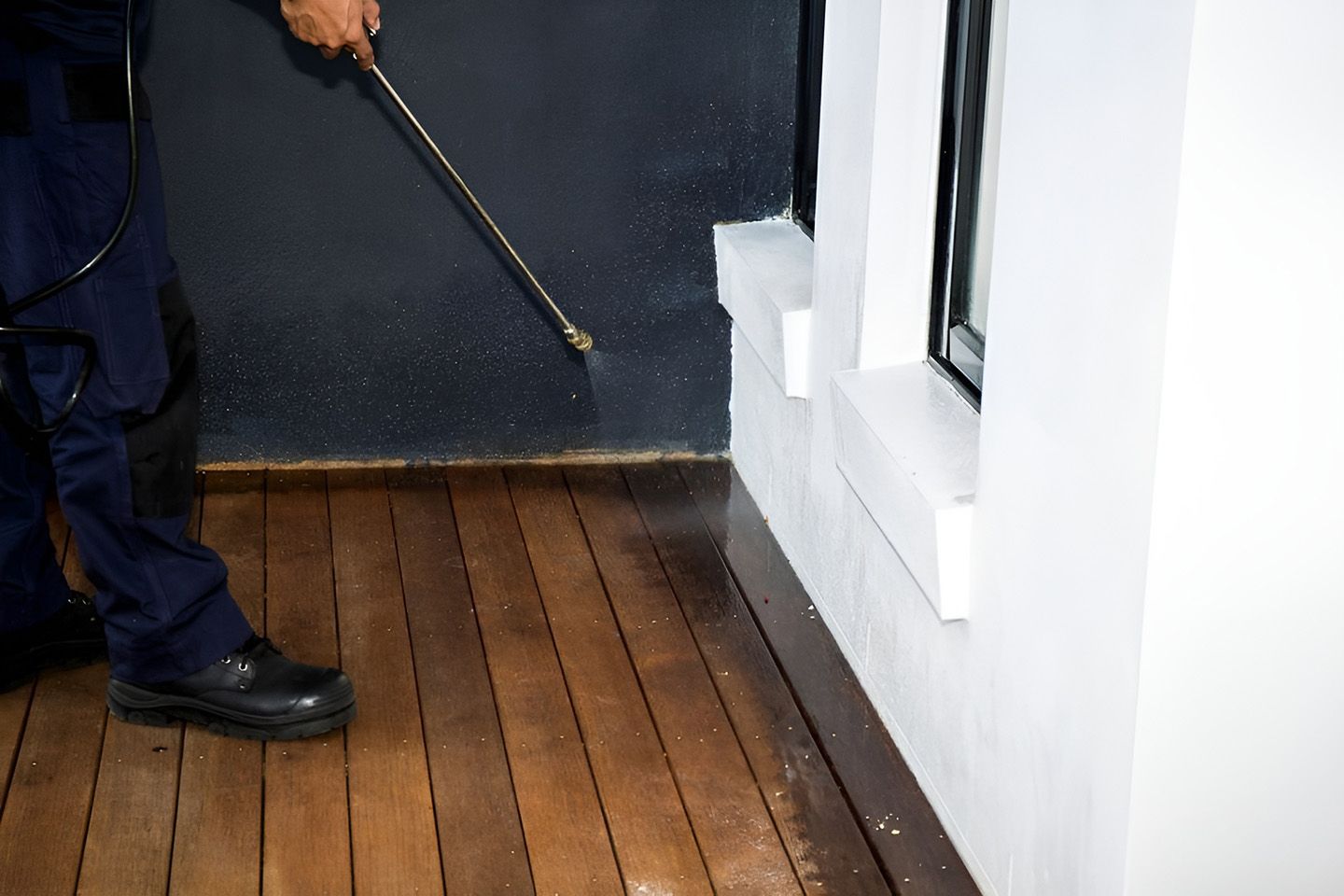
- Targeted treatments around external perimeters
- Treatment of roof voids, sheds and other high-activity zones
- Advice on reducing conditions that support insect populations
By managing both spiders and their food sources, pest professionals can help create a less attractive environment for ongoing activity.
Silverfish: A Quiet but Destructive Pest
Silverfish are commonly found in dark, humid areas where they feed on paper products, fabrics, adhesives and other materials containing starches or cellulose.
Although they are not usually associated with major infestations, silverfish can damage books, documents, clothing and stored belongings over time.
Professional control programs generally involve:
- Inspection of moisture-prone areas
- Treatment of known harbourage locations
- Recommendations for humidity reduction
- Ongoing monitoring where necessary
Addressing environmental factors is often an important component of long-term silverfish management.
Wasps and Other Stinging Insects
Stinging insects can create safety concerns, particularly when nests are located near entrances, outdoor entertaining areas or children's play spaces.
Attempting to remove active nests without appropriate equipment can increase the risk of stings and provoke defensive behaviour from the colony.
Professional wasp management commonly includes:
- Identification of the species involved
- Safe treatment of active nests
- Removal of nest structures where appropriate
- Recommendations to reduce future nesting opportunities
Licensed technicians use specialised methods designed to manage nests while minimising risks to occupants.
Why Professional Pest Control Focuses on Prevention
One of the biggest differences between professional pest management and do-it-yourself treatments is the emphasis on long-term prevention. While store-bought products may reduce visible activity for a short period, they often fail to address the underlying causes of infestations.
Professional pest control services take a broader view of the property, identifying factors that may contribute to ongoing pest problems.
Preventative recommendations may include:
- Sealing entry points around doors, windows and service penetrations
- Improving waste management practices
- Reducing excess moisture around the home
- Managing vegetation near structures
- Scheduling routine inspections and monitoring
This preventative approach helps homeowners reduce future pest pressures while maintaining a healthier and more comfortable living environment.
Get In Touch
When it comes to protecting your home from common household bugs, early action can make a significant difference. We at Troy's Pest Control provide professional inspection, treatment and prevention services tailored to local conditions. From termite risks associated with regional climate patterns to seasonal increases in ants, cockroaches and rodents, our team understands the challenges homeowners face. If you are looking for assistance from a trusted Lismore pest control provider, contact us today to arrange an inspection or book a treatment plan designed for lasting protection.