The Real Reason Cockroaches Are So Difficult To Eliminate
Cockroaches are so hard to kill because they breed fast, hide in places sprays can't reach and build up resistance to common over-the-counter chemicals. A single missed egg case can undo weeks of DIY effort. Professional
pest control in Lismore can address the source of the infestation, not just the roaches you can see.
Why Are Cockroaches So Hard to Kill?
Cockroaches have survived for hundreds of millions of years, and their biology explains why a can of supermarket spray rarely finishes the job. They are nocturnal, flat-bodied and built to squeeze into cracks as thin as a coin, which puts them behind skirting boards, inside wall cavities and under appliances long before you notice an infestation.
Their reproductive rate is the bigger problem. A German cockroach egg case, or ootheca, can hold dozens of eggs, and a female can produce several cases in her lifetime. Killing the adults you see does nothing to stop the eggs already hidden in gaps you can't access.
Cockroaches are also scavengers with no fussy diet. They'll feed on food scraps, grease, cardboard, glue and even other insects, so removing one food source rarely starves them out. As long as there's moisture and shelter nearby, a small population can persist and rebuild.
How Cockroaches Adapt to Survive Home Treatments
Roaches don't just hide well – they learn to avoid what's killing them. Populations exposed repeatedly to the same over-the-counter insecticide can develop behavioural and physiological resistance, meaning the active ingredient stops working as effectively over time. This is well documented in pest management literature and is one of the main reasons DIY treatments plateau after an initial knockdown.
Cockroaches are also highly sensitive to disturbance. Spray a visible trail and the survivors often scatter deeper into the property, relocating to roof voids, subfloors or neighbouring units rather than dying where they stand. What looks like a solved problem is frequently just a redistributed one.
Example: a Lismore homeowner sprays under the kitchen sink after spotting roaches at night. The visible activity stops for a week or two, but the treatment never reached the colony nesting behind the dishwasher. Within a month, the roaches are back – often in greater numbers, because the egg cases had time to hatch undisturbed.
How Do You Know if You Have an Infestation, Not Just a Sighting?
Spotting one cockroach at night doesn't automatically mean you have a colony – but a few signs point to something more established than a stray visitor. Knowing the difference helps decide whether a store-bought spray is worth trying or whether it's time to call in a professional straight away.
Watch for:
- Roaches appearing during the day, not just at night, which often signals overcrowding pushing them out of hiding spots
- A musty, oily odour in cupboards, pantries or behind appliances
- Small dark faecal spots (resembling ground pepper or coffee grounds) along skirting boards or in cupboards
- Egg cases (oothecae) in corners, drawers or behind furniture
- Smear marks along walls where roaches travel repeatedly
Example: noticing one roach near the bin at night is usually a low-level sighting. Finding several roaches out during daylight hours, egg cases in a kitchen drawer and a lingering odour under the sink points to an established colony that a single spray won't resolve.
If more than one of these signs is present, it's a strong indicator that the problem extends beyond what's visible on the surface, which is exactly where DIY treatments tend to fall short.
Why Store-Bought Products Often Fail
Off-the-shelf sprays and baits are designed for light, visible activity, not established colonies. A few reasons they consistently underdeliver against a real infestation:
- They target adult roaches on contact but rarely reach eggs sealed inside wall cavities, roof voids or subfloors
- Repeated use of the same active ingredient accelerates resistance in the local population
- Surface sprays can push roaches to relocate rather than eliminate the colony
- Store-bought baits aren't matched to the specific species or feeding behaviour on the property, so uptake can be inconsistent
- There's no follow-up or monitoring, so a treatment that looks successful in week one can fail silently by week four
None of this means store-bought products are useless for isolated sightings. It does mean they're a poor match for an established infestation, which is where licensed pest control becomes the more reliable option.
How Professional Pest Control Achieves Lasting Cockroach Control
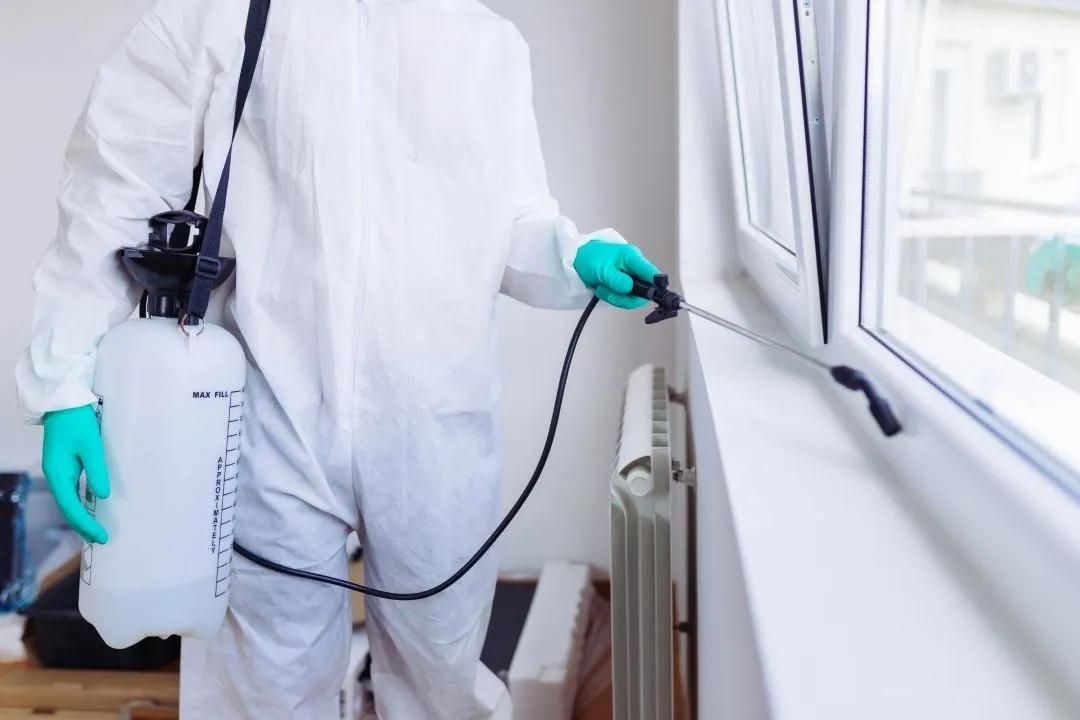
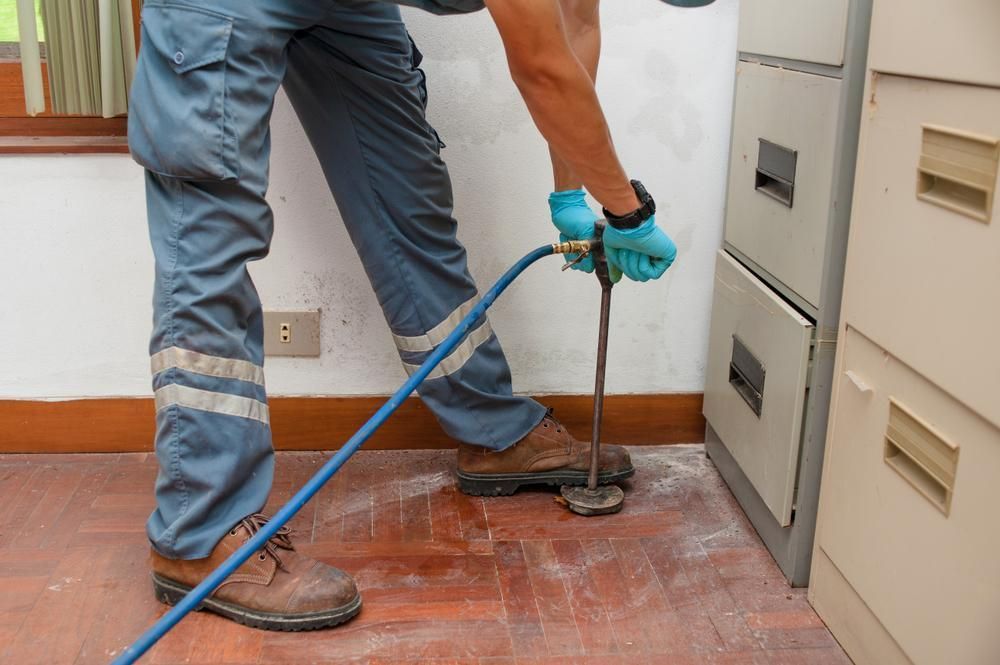
Licensed technicians work from the same fact set above and treat accordingly. Rather than spraying visible areas, a proper cockroach treatment targets harbourage sites: wall voids, roof spaces, subfloors, behind appliances and around plumbing penetrations, using products and application methods that aren't available over the counter.
Troy's Pest Control approaches pest control in Lismore with a structured process rather than a single spray-and-go visit. That starts with an inspection to confirm the species and identify entry points and harbourage areas, followed by a tailored treatment plan rather than a generic application. Licensed products are applied at the right locations and rates to break the breeding cycle, not just knock down what's visible on the day.
Aftercare matters just as much as the treatment itself. Sealing entry points, reducing food and moisture sources, and improving airflow all make it harder for a new population to re-establish. A local team that understands how Northern Rivers humidity and seasonal rain drive cockroach activity can also time treatments and follow-ups around when local pest pressure actually peaks.
What to Expect From a Professional Cockroach Treatment
A typical visit follows a few clear stages:
- Inspection – confirming the species, activity level & likely harbourage areas
- Tailored plan – a treatment matched to the property, including any prep steps
- Targeted application – licensed products placed at the source, not just sprayed on visible surfaces
- Prevention advice – sealing entry points & removing conditions that support re-infestation
- Follow-up – checking results & adjusting the approach if activity persists
This layered approach is why professional treatment tends to hold where DIY sprays plateau – the colony is disrupted at the source, not just at the surface. For Lismore pest control, Contact Troy's Pest Control to learn more today!
FAQs
Why do cockroaches keep coming back after I spray them?
Sprays usually kill visible adults but rarely reach egg cases hidden in wall voids, subfloors or roof spaces. Surviving eggs hatch within weeks, so the population rebuilds even though the initial spray looked effective.
Are German cockroaches harder to eliminate than other species?
German cockroaches are among the most persistent home invaders because they breed quickly indoors and can develop resistance to repeated insecticide use, which is why they often need a more targeted treatment approach than outdoor species.
Is it possible to fully get rid of cockroaches with store-bought products alone?
It's possible for very light, isolated activity, but established infestations usually need treatment that reaches harbourage sites store-bought sprays and baits can't access.
How long does professional cockroach treatment take to work?
Visible activity typically drops within days, though a full treatment cycle, including addressing eggs and harbourage sites, can take a few weeks to fully resolve, depending on the size of the infestation.
Do I need to leave the house during a cockroach treatment?
Not usually. Licensed technicians use products applied at label rates that are safe for occupied homes, though they'll advise if any areas need to stay clear while treatment dries.
How often should Lismore homes get pest control to prevent cockroaches returning?
A general service every 6 to 12 months suits most homes, though properties with higher pest pressure may benefit from more frequent visits.