Why Lismore Businesses Need Ongoing Pest Control (Not One-Off Sprays)
Most Lismore businesses handling food or stock need quarterly servicing to stay on top of pests, while genuinely low-risk premises are usually fine at six- to twelve-month intervals. The difference comes down to how fast activity rebuilds, and in the Northern Rivers it rebuilds quickly. For any operator weighing up ongoing pest control for businesses in Lismore against the occasional reactive call-out, understanding that gap is where the real savings start.
How Often Should a Lismore Business Have Pest Control?
If you're wondering how often pest control should be done, the honest answer depends on what your property deals with day to day. A suburban home might only need a general service every six to twelve months, but a commercial kitchen, café or storeroom sits in a different category entirely. Food, warmth and moisture keep drawing pests back, so the interval has to be shorter to keep them in check.
As a rough guide, aim for:
- Quarterly servicing for food-handling and high-activity premises.
- Six to twelve months for low-risk sites with no food prep.
- Tailored timing where a property has its own quirks.
Matching the schedule to the risk is what keeps a business genuinely protected.
Why One-Off Sprays Fail in Commercial Premises
A single spray treats what you can see today and does nothing for what arrives next month. In our thirty years working across the Northern Rivers, the pattern is always the same: a reactive call-out knocks activity down, then warm weather and damp subfloors let it climb straight back. This is a big part of why cockroaches are so difficult to eliminate, since their eggs survive a single treatment and hatch long after the technician has left.
A one-off approach falls short because it:
- Ignores the eggs and harbourage that drive reinfestation.
- Leaves subfloor and roof void activity untouched.
- Offers no monitoring between problems.
Reacting only when you spot something means always playing catch-up.
What Ongoing Pest Control Actually Includes
A scheduled program is far more than a spray on a timer. It combines treatment with inspection and monitoring, so problems are caught while they are small. Understanding how often pest control should be done is only half the picture, because what happens during each visit matters just as much as the interval between them.
A typical scheduled service covers:
- General pest treatment applied at label rates.
- Rodent baiting and monitoring station checks.
- A subfloor and roof void inspection with a written report.
That written report gives you a clear record and treatment options every visit.
Which Lismore Businesses Need Quarterly Servicing (& Which Don't)
Not every premises needs the same level of cover, and we will always say so. A café, restaurant, supermarket or storage facility handling food and stock genuinely benefits from quarterly visits, especially given how fast activity returns here after a wet season. A first-floor office with no kitchen is a different story, and paying for a quarterly contract there is money you do not need to spend.
The right level of cover depends on:
- Whether the premises handles food or stores product.
- How exposed the building is to damp and subfloor moisture.
- The volume of foot traffic and deliveries coming through.
For genuinely low-risk sites, a six-monthly general service is the smarter buy.
Why Lismore's Climate Speeds Everything Up
Location plays a real role in how often pests come back. Our subtropical summers, heavy seasonal rain and the persistently damp subfloors left after flood-recovery building works all create ideal conditions for cockroaches and rodents. Booking pest control in Lismore on a schedule accounts for this local pressure, which a national franchise timetable simply will not reflect.
Local conditions drive faster reinfestation through:
- Warm, humid summers that speed up breeding cycles.
- Seasonal rain pushing pests indoors for shelter.
- Damp subfloors from flood-affected building works.
The climate here rewards staying ahead of the problem rather than chasing it.
What It Means for Food Safety Records & Audits
If your business is audited, a scheduled program does more than keep pests out. Food safety auditors and health inspectors want to see evidence, not just a clean kitchen on the day. A history of regular servicing with written reports shows a system in place, which is exactly what they are looking for.
Auditors and inspectors typically want to see:
- A documented pest management plan in operation.
- Written inspection reports kept on file.
- Records of treatments and any activity found.
Scheduled servicing turns compliance from a scramble into a simple paper trail.
Understanding What a Service Involves & Costs
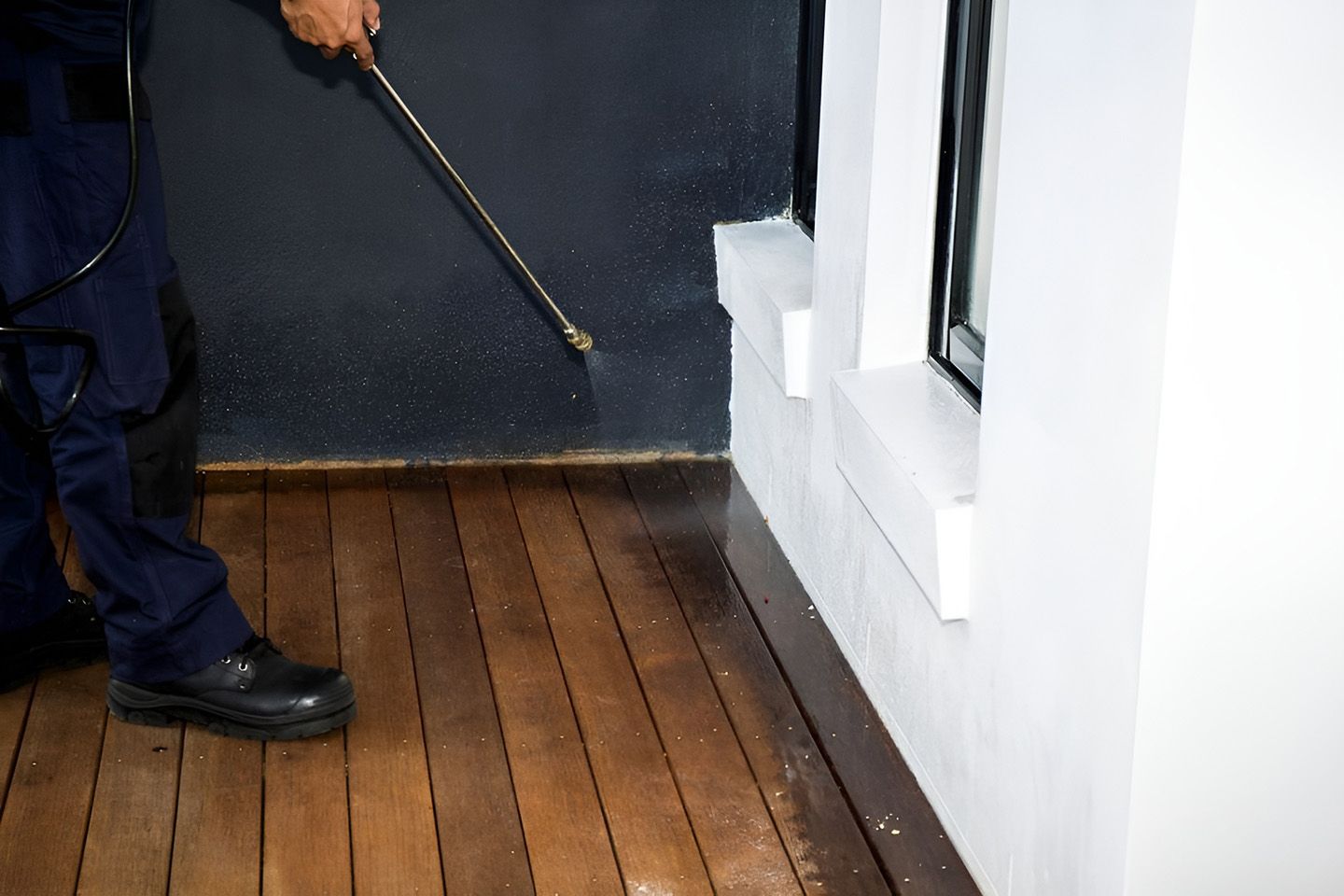
Plenty of owners hesitate because they picture closing for the day. In reality, a typical property service runs around sixty to ninety minutes, and most businesses carry on with minimal disruption. What determines the cost of a pest inspection comes down to the size of the premises, the level of risk and the type of treatment needed, so a walk-through gives a far more accurate figure than a phone estimate.
A standard commercial service usually means:
- Around sixty to ninety minutes on site.
- Licensed products applied with simple re-entry advice.
- Keeping people and pets off treated areas until dry.
Most businesses keep trading through the visit with barely a pause.
Reactive Call-Outs vs a Scheduled Program
When you add up a year of reactive call-outs, the maths often favours a scheduled program. Each emergency visit carries its own cost and only addresses the immediate problem, while a planned program spreads the work evenly and stops issues before they escalate. The comparison is worth doing honestly for your own premises.
The scheduled approach can provide:
- Lower overall cost across a full year.
- Fewer emergency call-outs and nasty surprises.
- Consistent protection for your property.
For most commercial premises, planned servicing is the cheaper path in the long run.
Book Reliable Pest Control in Lismore
We at
Troy's Pest Control have worked with local businesses, property managers and builders since 1995, so we know exactly how pests behave in Lismore kitchens, storerooms and subfloors after a Northern Rivers wet season. We service Lismore, Lismore Heights, Goonellabah, East and North Lismore, along with Alstonville, Ballina, Casino, Kyogle and Bangalow. If you are weighing up
ongoing pest control for businesses in Lismore, we are happy to walk through your premises, give you an honest recommendation and quote a schedule that genuinely fits, whether that is quarterly or something lighter.
Get in touch for a no-obligation site assessment and we will help you find the right level of cover.
FAQs
Do premises need preparing before a pest technician arrives?
A little prep helps. Clearing access to subfloors, kickboards and storage corners lets a technician inspect and treat properly, and food prep surfaces only need a wipe-down afterwards once treated areas are dry.
Does a scheduled program still cover activity between visits?
That is one of the main advantages of a program over ad-hoc call-outs. When activity flares up between services, it is handled as part of ongoing cover rather than as a separate emergency job.
Are pest control products safe around staff, customers and stock?
Licensed products applied at label rates are designed for occupied commercial settings. The key precaution is keeping people and pets off treated areas until they are dry, with simple re-entry advice given on the day.
Can pest control be done around trading hours?
In most cases, yes. Because a typical service is fairly quick and low-disruption, many businesses book a quiet part of the day, and early or after-hours visits can often be arranged for sensitive areas like kitchens.
Is a subfloor inspection really necessary every time?
In the Northern Rivers it earns its place. Damp subfloors are where cockroach and rodent activity often builds unseen, so checking them regularly catches problems well before they reach the floor above.