Everything You Need To Know About Termite Barrier Longevity
Termites are one of the most destructive pests Australian property owners face, often causing serious structural damage long before their presence is noticed. Installing a termite barrier is one of the most effective ways to protect a building, but many people are unsure how long these systems actually last or what affects their performance over time. Understanding termite barrier longevity helps property owners plan maintenance, avoid unexpected repairs and protect their investment long term.
What is a Termite Barrier & How Does It Work
A termite barrier is a protective system installed around or beneath a structure to prevent termites from gaining access. Rather than eliminating termites entirely, barriers work by stopping them from entering the building undetected. When installed correctly, they force termites into visible areas where they can be identified and treated early.
There are different types of barriers, but they all share the same goal, interrupting termite access points and reducing the risk of hidden infestations.
Common characteristics of termite barriers include:
- Installed during construction or added to existing buildings
- Designed to block concealed termite entry
- Integrated with inspection and monitoring practices
- Tailored to suit soil type and building structure
Types of Termite Barriers & Expected Lifespans
Not all termite barriers are the same, and their lifespan depends heavily on the type used. Some barriers are physical, while others rely on chemical treatments applied to the soil.
Physical barriers are typically long-lasting because they do not rely on chemicals that degrade over time. Chemical barriers, while highly effective, require ongoing maintenance to remain reliable.
Typical barrier types and their longevity include:
- Physical barriers that can last decades when undisturbed
- Chemical soil treatments that may last several years
- Reticulation systems designed for easier replenishment
- Combination systems offering layered protection
Understanding which system is in place helps determine inspection and re-treatment schedules.
How Long Does a Termite Barrier Last in Real Conditions
When asking how long does a termite barrier last, the answer is rarely one fixed number. While manufacturers may provide estimates, real-world conditions often influence performance. Soil composition, moisture levels and construction activity all play a role in how long a barrier remains effective.
In regions where termites are active year-round, regular inspections are essential regardless of barrier type. Even long-lasting systems rely on consistent monitoring to ensure there are no breaches or changes in conditions.
Key influences on real-world longevity include:
- Environmental exposure and rainfall patterns
- Soil movement or disturbance
- Landscaping or building modifications
- Initial installation quality
Factors That Can Reduce Termite Barrier Effectiveness
Several factors can compromise a termite barrier earlier than expected. Many of these issues occur gradually and go unnoticed without professional inspections. Small changes around a property can unintentionally create access points for termites.
Property owners are often surprised to learn that everyday activities can affect barrier performance.
Common factors that reduce effectiveness include:
- Excavation or plumbing work near foundations
- Garden beds built above barrier levels
- Soil erosion or water pooling near the structure
- Cracks in slabs or structural movement
Being aware of these risks helps maintain long-term protection.
The Role of Regular Termite Inspections
No termite barrier is considered complete without routine inspections. Inspections verify that the barrier remains intact and that no termite activity is present. They also allow early detection if conditions have changed.
Regular inspections are particularly important for chemical barriers, which can degrade over time without visible signs. A licensed technician can assess whether re-treatment is required and identify potential vulnerabilities before damage occurs.
Benefits of scheduled inspections include:
- Early detection of termite activity
- Verification of barrier integrity
- Reduced risk of costly repairs
- Ongoing peace of mind for property owners
Why Installation Quality Matters for Longevity
Even the best termite barrier will fail if installed incorrectly. Proper installation ensures the barrier fully protects the structure and performs as intended. Gaps, inconsistent coverage or incorrect application can significantly shorten lifespan.
Licensed professionals understand how to apply barriers according to Australian standards and local conditions. Their experience ensures the system is suited to the property and environment.
Installation quality impacts longevity by:
- Ensuring full perimeter protection
- Preventing hidden access points
- Matching treatment methods to soil conditions
- Supporting effective long-term monitoring
Environmental Conditions & Local Termite Pressure
Termite activity varies depending on climate and environment. In warmer regions with higher humidity, termite pressure is often greater, increasing the importance of reliable barrier systems and regular checks.
Local knowledge plays a critical role in selecting the right barrier type and maintenance plan. Pest professionals familiar with regional conditions understand which systems perform best and how often inspections should occur.
Environmental considerations include:
- Termite species common to the area
- Seasonal activity patterns
- Soil moisture levels
- Vegetation proximity to structures
Chemical Barriers vs Physical Barriers Over Time
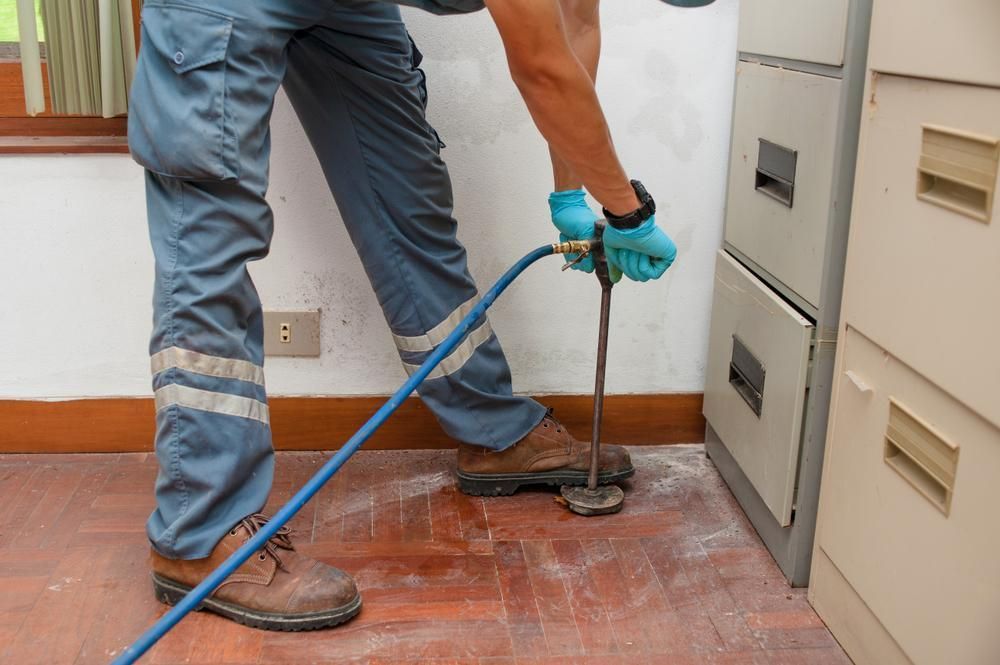
Chemical and physical barriers age differently. Chemical treatments slowly break down due to environmental exposure, requiring reapplication to maintain effectiveness. Physical barriers, while more durable, can still be compromised by structural changes.
Choosing between systems often depends on property type, construction stage and budget. In many cases, combining methods provides the strongest long-term defence.
Long-term comparisons include:
- Chemical barriers require periodic renewal
- Physical barriers rely on structural integrity
- Both require regular inspections
- Combined systems offer layered protection
When Should a Termite Barrier Be Replaced or Renewed
Knowing when to renew a termite barrier depends on inspection results rather than time alone. A barrier may still be effective beyond its estimated lifespan, or it may require early attention due to site changes.
Professional assessments determine whether re-treatment, repair or reinforcement is needed. Acting early helps avoid expensive structural damage.
Signs a barrier may need attention include:
- Reduced chemical concentration in soil
- Evidence of termite activity nearby
- Property alterations affecting coverage
- Inspection reports recommending renewal
Long-Term Cost Benefits of Maintaining Barriers
While termite barriers require an upfront investment and ongoing maintenance, they are far more cost-effective than repairing termite damage. Structural repairs can quickly exceed the cost of prevention many times over.
Maintaining barriers through inspections and timely servicing spreads costs predictably and reduces the risk of major financial impact.
Long-term benefits include:
- Lower risk of extensive repairs
- Predictable maintenance costs
- Protection of property value
- Reduced insurance complications
How Professional Pest Control Supports Barrier Longevity
Professional pest control services play a crucial role in maintaining effective termite protection. Licensed technicians provide accurate inspections, correct treatments and practical advice for property owners.
Working with experienced providers ensures barriers are installed and maintained according to standards and tailored to the property’s needs.
Professional support contributes to longevity by:
- Applying treatments correctly
- Monitoring changes in site conditions
- Providing clear maintenance guidance
- Responding quickly to emerging risks
Making Informed Decisions About Termite Protection
Understanding termite barrier longevity empowers property owners to make informed decisions about protection strategies. Barriers are not set-and-forget solutions, they are part of a broader termite management plan that includes inspections, maintenance and awareness.
Choosing the right system and maintaining it properly significantly reduces the risk of damage and unexpected costs.
Protect Your Property with Expert Termite Solutions
At Troy’s Pest Control, we help property owners protect their homes and buildings with reliable termite solutions and expert advice. Whether you are seeking pest control in Lismore or simply asking, how long does a termite barrier last, our team delivers tailored protection backed by decades of experience. Visit our website or get in touch to book an inspection and safeguard your property for the long term.